In classrooms across the globe, education is undergoing a radical transformation. Traditional teaching methods are being upended by innovative approaches that aim to better prepare students for the demands of the modern world. As educators strive to engage students more effectively, emerging technologies and pedagogical strategies are reshaping the way we think about learning.
Flipped Classrooms
One approach that has gained significant traction is the flipped classroom model. In this setup, students are introduced to new content at home, typically through video lectures, allowing class time to be dedicated to exercises, projects, or discussions. This method encourages active learning and enables teachers to provide more personalized support. By fostering a more interactive environment in the classroom, students can better participate in collaborative problem-solving and critical thinking activities.
Another advantage of flipped classrooms is the flexibility it offers. Students can learn at their own pace, reviewing materials as needed, ensuring that they have a firm understanding before moving on to new topics. This can lead to a more inclusive learning environment, catering to different learning styles and needs.
Project-Based Learning
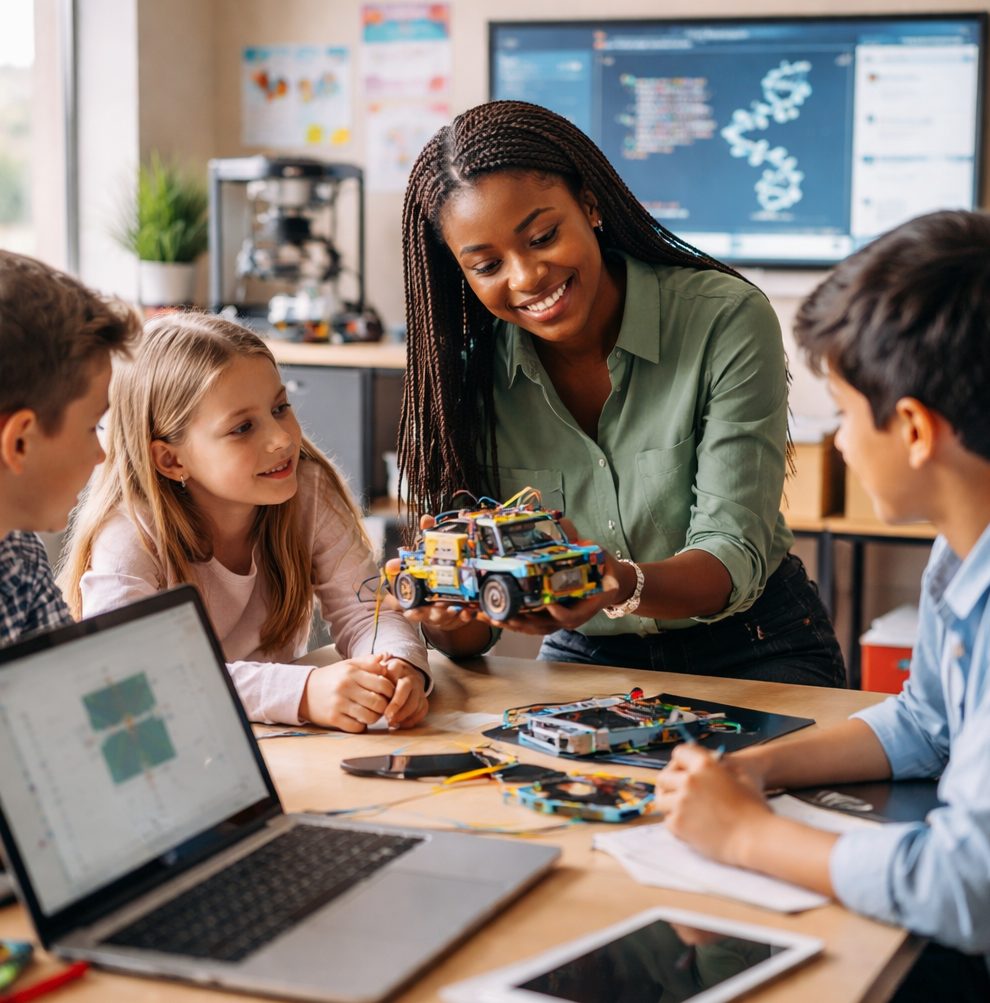
Project-based learning (PBL) is another innovative strategy that is shaping the future of education. It involves students engaging in real-world projects, which promotes a deeper understanding of the subject matter. PBL encourages students to apply their knowledge in practical scenarios, enhancing their problem-solving and critical thinking skills. By working on projects that have clear, tangible outcomes, students are more motivated and invested in their learning.
This approach not only aids in developing important life skills but also fosters collaboration among students. Working in teams, students learn to communicate effectively, manage their time, and assume responsibility for their part in a team effort. Such skills are crucial in the workforce, making project-based learning a valuable component of modern education.
Integration of Technology
Technology plays a crucial role in transforming education. From virtual reality (VR) experiences that can transport students to ancient civilizations, to artificial intelligence (AI)-powered tools providing personalized learning pathways, the potential for technology in education is vast. Digital classrooms and online platforms have made learning more accessible, breaking down geographical barriers and enabling students from all over the world to connect and learn together.
AI is being used to tailor educational content to meet the individual needs of each student, ensuring that they are challenged at the right level. This personalization of learning helps to maintain student engagement and provide a more effective educational experience. Meanwhile, VR and AR (augmented reality) are being utilized to create immersive and engaging learning experiences that are not possible in traditional classrooms.
Social and Emotional Learning (SEL)
Recognizing the importance of social and emotional skills, educators are integrating SEL into curricula. SEL focuses on developing students’ abilities to understand and manage emotions, set and achieve positive goals, and establish rewarding relationships. By cultivating these skills, students are better equipped to navigate challenges both in school and their personal lives.
The emphasis on SEL is a response to the growing awareness of the importance of mental health and well-being in education. By supporting the holistic development of students, schools aim to create a more supportive and inclusive learning environment that addresses the needs of every learner.
As these innovative educational approaches continue to evolve, the future of education looks brighter and more dynamic than ever. By embracing new methods and technologies, educators are not only enhancing student learning but also preparing them for a world that is rapidly changing. The transformation of education promises a more inclusive, engaging, and effective learning experience for all.